
Executive Summary
Modern electricity grids rely heavily on digital monitoring and control systems such as SCADA platforms, Remote terminal units (RTUs) and automated communication networks. While these technologies improve efficiency and support the growth of renewable energy, they also introduce new cyber security risks to critical infrastructure.
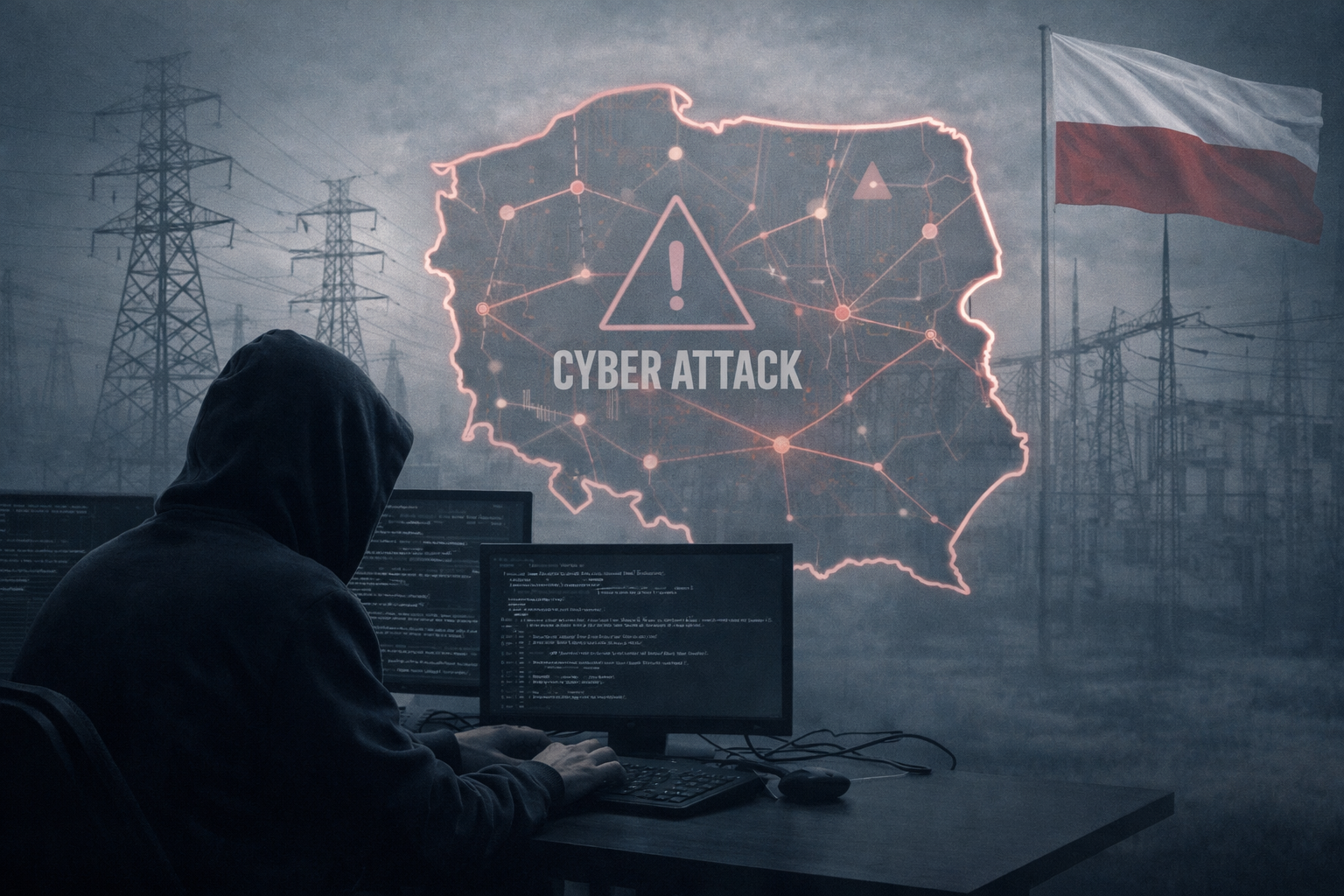
The December 2025 cyber intrusion into parts of the Polish power grid demonstrated a new threat approach. Although no blackout occurred, investigators believe the attackers were conducting reconnaissance to identify weaknesses within distributed energy resources (DERs). Example of DERs include solar farms, wind installations and battery systems.
The attackers left evidence of device resets, created gaps in system logs and disrupted monitoring systems. Evidence suggests attackers were testing the grid’s operational visibility and resilience.
The increasing integration of distributed energy systems has significantly expanded the cyber-attack surface of modern power grids. Thousands of connected assets, third-party operators, standardised technology platforms and gaps in regulatory oversight can create multiple entry points for attackers seeking access to operational technology networks.
Strengthening grid security therefore requires improved visibility across distributed assets, stronger access controls, network segmentation between IT and operational technology environments, specialised monitoring tools and coordinated incident response planning. Protecting modern energy infrastructure will require close collaboration between utilities, technology providers and governments to ensure the resilience and stability of national electricity systems. Source www.securitybuzz.com
The New Threat to Distributed Energy Systems
Traditional electricity networks were built around a small number of large power stations connected to transmission infrastructure and centralised control systems.
Modern energy systems are very different.
Electricity is now generated by thousands of Distributed Energy Resources (DERs) including:
• Solar farms
• Wind power installations
• Battery storage facilities
• Co-generation plants
• Small-scale renewable installations
These resources are integrated into the national grid through digital monitoring and control technologies, including:
• Remote Terminal Units (RTUs)
• Supervisory Control and Data Acquisition (SCADA) systems
• Communications networks linking operators and energy assets
The Polish incident indicates that attackers targeted the systems responsible for monitoring and managing these distributed assets.
Reports from investigators identified signs of abnormal activity such as:
• unexpected device resets
• gaps in operational logs
• disruptions to monitoring systems
• unusual behaviour in communication systems
Although the grid remained operational, operators temporarily experienced reduced visibility across portions of the distributed energy network.
Loss of visibility within operational technology systems can create significant risk. Grid operators rely on accurate telemetry to maintain balance between electricity supply and demand. When visibility is reduced, the ability to respond quickly to operational changes becomes more difficult.
The incident demonstrates that attackers are beginning to focus on the weakest and most numerous components of the grid rather than the most visible ones.
Why Distributed Energy Resources Are Becoming a Target
The transition toward renewable energy and decentralised electricity generation has significantly increased the attack surface of national power grids.
Several factors contribute to this increased risk.
Large Number of Connected Assets
Distributed energy installations can number in the thousands. Each installation may contain remote monitoring equipment connected to the internet or corporate networks.
Third Party Operators
Many distributed energy assets are owned or managed by third-party companies with varying levels of cyber security maturity.
Standardised Technology Platforms
Many sites use similar software, hardware and communication protocols. Once attackers identify a vulnerability in one system, they may be able to replicate the attack across many others.
Limited Regulatory Oversight
In some jurisdictions, smaller energy installations are not subject to the same cyber security regulations as large power plants.
These conditions create an environment where attackers may find multiple entry points into the wider energy network.
Mitigation Opportunities Along the Kill Chain
Understanding the stages of a cyber-attack provides valuable insight into how organisations can interrupt an intrusion before it reaches critical systems.
Reconnaissance Phase
Attack surface monitoring can help organisations identify exposed systems before attackers do.
Recommended actions include:
• scanning for publicly exposed devices
• removing unnecessary internet-facing services
• implementing threat intelligence monitoring
• protecting sensitive operational information
Intentional reduction of publicly visible infrastructure makes reconnaissance significantly harder for attackers.
Initial Access
Many cyber intrusions begin with compromised credentials or insecure remote access systems.
Key protections include:
• Multi-Factor Authentication for remote access
• secure VPN connections
• strong password policies
• phishing awareness training for employees
Access to operational technology systems should always be tightly controlled and monitored. Physical security cannot be over emphasized
Persistence Mitigation
Attackers often attempt to maintain access within compromised networks.
Defensive controls should include:
• monitoring privileged account activity
• strict access logging
• removal of unnecessary administrative privileges
• regular review of user accounts
Continuous monitoring allows organisations to detect suspicious behaviour early.
Lateral Movement Mitigation
Once attackers enter a network, they may attempt to move between systems.
Network segmentation can significantly limit this movement.
Utilities should implement:
• separation between IT and operational technology networks
• firewalls controlling communication between systems
• strict control of engineering workstation access
Limiting internal network access reduces the ability of attackers to reach critical infrastructure.
Operational Technology Protection
Specialised monitoring tools designed for industrial control systems are essential for protecting operational environments.
Security teams should monitor:
• industrial communication protocols
• configuration changes in control devices
• abnormal device resets
• unexpected system commands
Early detection of abnormal behaviour allows operators to respond before operational impact occurs.
Incident Response Preparedness
Operational technology environments require specialised incident response procedures.
Response plans should include:
• coordination between cyber security teams and grid operators
• safe isolation of affected systems without destabilising the grid
• preservation of system logs and forensic data
• communication procedures with regulators and national cyber authorities
Preparedness ensures that organisations can respond quickly and minimise operational impact.
Final Thoughts
The cyber intrusion that affected parts of the Polish power grid demonstrates how the threat landscape for critical infrastructure is evolving.
Rather than attempting immediate disruption, attackers may now focus on understanding system architecture, identifying vulnerabilities and testing defensive capabilities. This deep reconnaissance done by the hackers increases the probability that this may be the act of a Nation state.
The increasing use of distributed energy resources has created a more complex and interconnected electricity network. While this transformation supports the global transition toward renewable energy, it also expands the cyber-attack surface.
Protecting modern power grids therefore requires a combination of strong cyber security governance, operational monitoring and coordinated response planning.
Utilities, technology providers and government regulators must work together to ensure that the digital transformation of energy infrastructure is matched by equally strong cyber security protections.
Maintaining the resilience of national electricity systems is not only a technical challenge. It is essential for the safety, stability and economic continuity of modern society.
Thanks
Yemi Oluleye BSc Social Science, MBA Information Technology, MILM, ACIB
Certified TOGAF Architect
CISSP (Security)